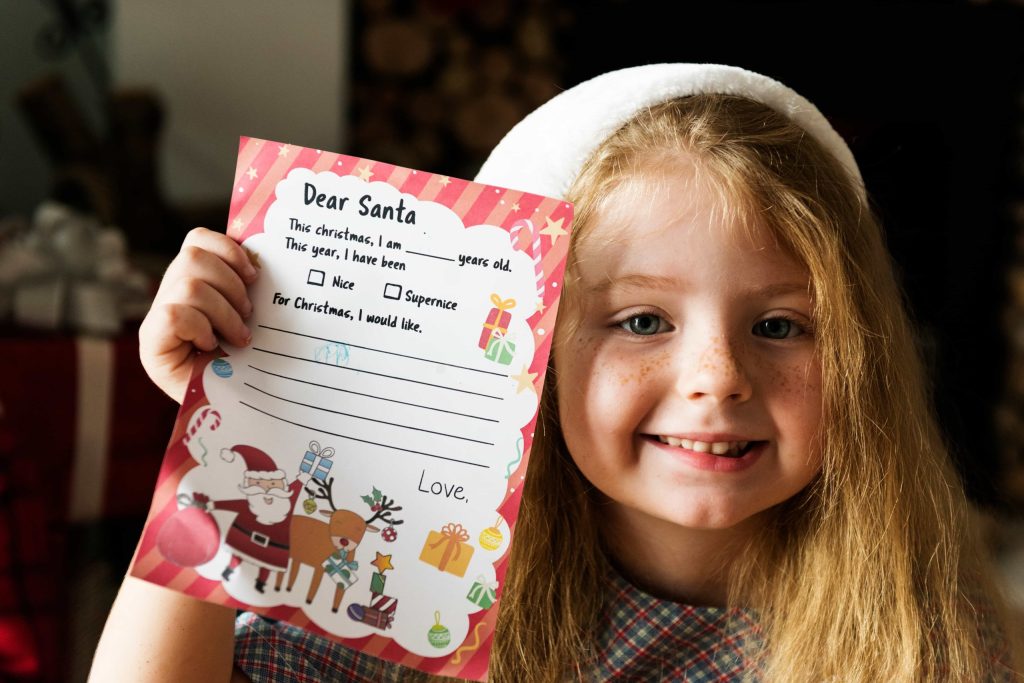
Last December, my six-year-old asked me something I wasn’t prepared for: “Mum, what does the North Pole actually look like?” She’d been writing letters to Santa for years, but suddenly she wanted details. The colour of his front door. Whether there were streetlights. If the elves had their own houses or all lived together.
That’s when I realised the North Pole isn’t just some abstract concept to kids—it’s a real place in their minds, as vivid as their own bedroom. It’s where Christmas magic lives and breathes. And the more we can bring that world to life for them, the richer their childhood memories become. That’s exactly what we try to do at Santa’s Magical Kingdom, where every detail is designed to make the North Pole feel tangible and real.
So let’s explore this legendary place together—what makes it so special, how you can weave it into your family’s traditions, and why it matters more than ever right now.
The Magic Behind the North Pole’s Hold on Our Hearts
Here’s the thing about the North Pole: it represents something we all crave, especially during the holiday season. It’s a place where goodness is rewarded, where hardworking elves whistle while they work, where reindeer really can fly.
In a world that often feels chaotic and unpredictable, the North Pole is beautifully certain. Santa’s always there. The workshop’s always humming. The list is always being checked. For children, that consistency is deeply comforting. For us parents? It’s a reminder of our own childhoods, when belief came easily and magic didn’t need explaining.
I’ve watched kids’ faces light up when they hear details about Santa’s village—the candy cane lamp posts, Mrs. Claus’s kitchen that smells like gingerbread year-round, the toy testing department where elves make sure every train whistle actually whistles. These aren’t just cute details. They’re world-building. And when you’re five or seven or even nine, that world feels completely, wonderfully real.
That’s why experiences like a personalised video call from Santa resonate so powerfully—they’re proof that the North Pole isn’t just a story, it’s a place where someone really knows your name.
Building Your Own North Pole Traditions at Home
You don’t need to travel to the Arctic Circle to make the North Pole part of your Christmas routine. Some of our family’s most treasured traditions started with simple, deliberate choices that kept Santa’s home front and centre.
Start with letter writing in early December. We set aside an evening, pull out special stationery, and the kids write to Santa at his North Pole workshop. I’ve learned to ask guiding questions: “What do you think the elves are working on right now?” “How do you think Rudolph stays warm up there?” This turns a letter into a conversation about a real place with real inhabitants.
Next, create a North Pole countdown. Instead of a standard advent calendar, we made a paper chain where each link has a “North Pole fact” inside. Day twelve might say, “The elves are wrapping presents for children in Australia today.” Day five might read, “Santa’s feeding the reindeer extra carrots to prepare for the big flight.” It keeps the magic present every single day.
We also track Santa’s preparations. There are websites and apps that show what’s happening at the North Pole as Christmas approaches, but honestly? Your own storytelling works just as well. At dinner, I’ll casually mention, “I wonder if the elves finished loading the sleigh today.” It takes five seconds and costs nothing, but it keeps that world alive in their imaginations.
And if you really want to bring the North Pole into your living room, consider a personalised message from Santa himself, mentioning your children by name and referencing his workshop and the North Pole directly. The look on their faces when Santa talks about what’s happening in his village right now? Priceless.
Taking the North Pole Experience to the Next Level
Once you’ve got the basics down, there are beautiful ways to deepen the experience and make the North Pole feel even more tangible.
We started reading North Pole-specific books at bedtime—stories that describe Santa’s workshop, the elf village, the reindeer stables. The illustrations help kids visualise it all, and suddenly they’re asking even better questions. “Does Santa have a fireplace in his office?” “Where do the elves eat lunch?”
This year, we’re adding a North Pole breakfast on Christmas morning. Before we open presents, we’ll eat “what Santa eats”—hot chocolate (obviously), cinnamon rolls (Mrs. Claus’s recipe, we tell them), and fruit that “stays fresh even in the Arctic cold.” It’s silly, sure. But it extends the magic just a little bit longer.
You can also weave the North Pole into other Christmas experiences. When we visit Christmas light displays, I’ll point out decorations and say, “That looks just like the lamp posts at the North Pole.” When we’re taking photos with Santa, we talk beforehand about how he’s taken a break from his busy workshop to visit us.
Everything connects back to that central place, that magical kingdom where Christmas is always being prepared.
Why 2025 is the Perfect Year to Embrace North Pole Magic
There’s something happening right now that makes the North Pole more important than ever. We’re all craving tangible, real-world experiences. Kids are overstimulated by screens, and parents are exhausted by the constant digital noise.
The North Pole is the antidote to all of that. It’s an old-fashioned, screen-free concept that invites storytelling, imagination, and face-to-face wonder. When you sit down to write a letter to Santa’s workshop, you’re not scrolling. When you’re imagining what the elves are doing tonight, you’re not watching YouTube.
This year especially, families are rediscovering traditions that bring everyone together in the same room, at the same time, focused on the same magical idea. The North Pole gives us permission to slow down, to believe, to wonder out loud.
And honestly? We need that. Our kids need that. The North Pole reminds us that some things—the best things—can’t be ordered on Amazon or streamed on demand. They have to be felt, imagined, believed in.
That’s why experiences like a letter from the North Pole arriving in your actual mailbox matter so much right now. It’s physical. It’s personal. It’s proof that magic can still arrive on your doorstep.
Santa’s Secrets: How to Make the North Pole Come Alive
Here are the insider tips I’ve gathered over years of keeping the North Pole real for my own children:
- Use specific details. Don’t just say “the North Pole.” Say “Santa’s red workshop with the crooked chimney” or “the reindeer barn that smells like hay and peppermint.” Details make belief easier.
- Let the kids ask questions. When they wonder how the elves learn to make toys or what Mrs. Claus does all day, don’t shut it down. Speculate with them. Build the world together.
- Reference it casually year-round. In July, mention that the elves are probably starting on next year’s designs. It keeps the North Pole from being just a December thing—it becomes a constant in their mental landscape.
- Connect the North Pole to good behaviour. Not in a threatening way, but in a hopeful one. “I bet the elves would be proud of how you helped your brother today.” It reinforces that the North Pole is watching with love.
- Show them the North Pole on a globe or map. Let them see that it’s a real location. Talk about how cold it is, how the sun doesn’t set in summer or rise in winter. Grounding the magic in geography makes it feel more possible.
- Create North Pole artifacts. A toy stamped “Made at the North Pole,” a postcard from Santa’s workshop, a recipe card for Mrs. Claus’s cookies—these little touches accumulate into something powerful.
Frequently Asked Questions About the North Pole and Santa
- Where exactly is the North Pole? It’s at the very top of the Earth, where all the longitude lines meet—90 degrees North latitude, surrounded by the Arctic Ocean and ice.
- Can you actually visit the North Pole? Physically, yes, but it’s an extreme expedition requiring specialised travel. For families, magical experiences that bring the North Pole to you are far more accessible and meaningful.
- When does Santa start preparing for Christmas at the North Pole? According to tradition, the elves work year-round, but toy-making ramps up significantly after summer, with final preparations happening throughout December.
- How do letters get to the North Pole? Many postal services have special North Pole addresses. Some families also leave letters for Santa to collect, or use services that ensure magical replies arrive back home.
- What do the elves do at the North Pole when it’s not Christmas? They design new toys, maintain equipment, care for the reindeer, help Mrs. Claus, and reportedly enjoy a bit of well-earned rest before preparations begin again.
- Is the North Pole the same as Lapland? No—Lapland is a region in northern Finland, Norway, and Sweden where many Santa experiences are based. The North Pole is the geographic point at the Earth’s northernmost spot.
- What’s the best age to start talking about the North Pole with kids? As soon as they’re interested in Santa—usually around age three or four. The earlier you build the world, the richer their experience becomes.
- How can I make the North Pole feel real without lying to my kids? Focus on the magic of storytelling and tradition. You’re not deceiving them—you’re inviting them into a beautiful, imaginative world that teaches wonder and kindness.
- What if my child asks hard questions about how Santa gets everywhere in one night? Embrace the mystery. “That’s part of the magic of the North Pole—some things are wonderful precisely because we can’t explain them.” Kids usually accept this happily.
- Can I incorporate the North Pole into non-religious Christmas celebrations? Absolutely. The North Pole and Santa are cultural Christmas traditions that exist separately from religious aspects, making them perfect for secular holiday magic.
The North Pole isn’t going anywhere. Long after this December ends, it’ll still be there in your children’s imaginations—a place where kindness matters, where hard work pays off, where magic is always possible.
And that’s the real gift, isn’t it? Not just the presents that come from the North Pole, but the belief that somewhere, far away in the frozen north, there’s a place devoted entirely to making children happy. That’s a belief worth nurturing, worth protecting, worth passing down. Because when our kids believe in the North Pole, they’re really believing in something much bigger—they’re believing in magic itself.